
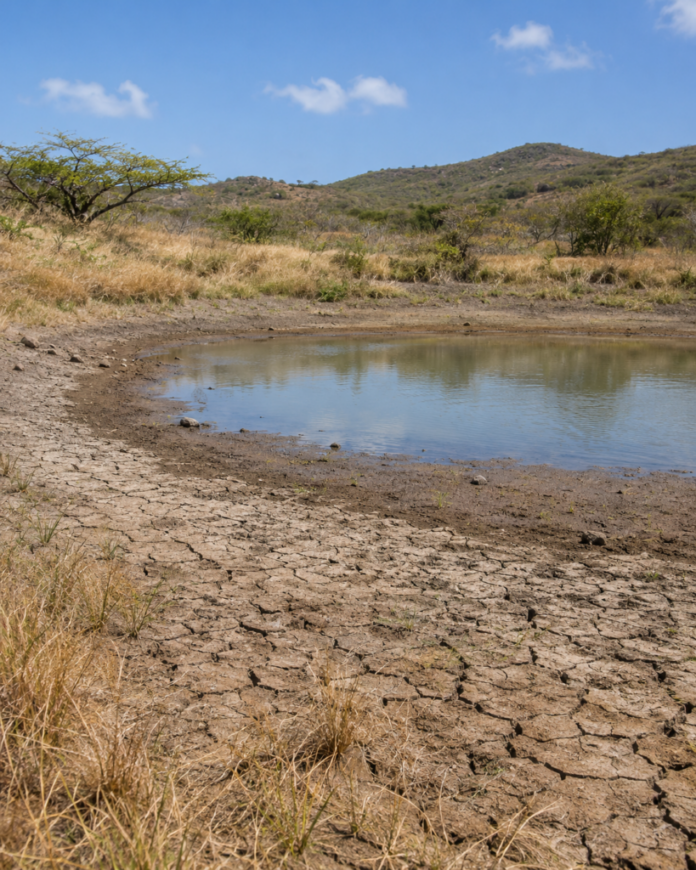

Regional forecasters say a drought warning should be considered for Antigua by the end of January as a strengthening El Niño raises the risk of dry conditions across much of the Caribbean.
Adrian Trotman, chief of applied meteorology and climatology at the Caribbean Institute for Meteorology and Hydrology, urged Caribbean countries Tuesday to prepare for the possible effects of El Niño during the 2026–27 dry season. Speaking to journalists in St. Vincent, he singled out drought, extreme heat and bushfires as the main concerns.
“These three things in the dry season, especially when there’s an El Niño, could be very intense,” Trotman said, according to the Caribbean Media Corporation. He said prolonged dry conditions and high temperatures could make vegetation more likely to catch fire.
The November Caribbean Drought Bulletin said long-term drought was developing in Antigua heading into the end of November. Prolonged rainfall shortages can lower water levels in large reservoirs and reduce groundwater supplies. Shorter-term drought can dry out soils and reduce water levels in ponds and streams, with implications for farmers.
El Niño occurs when surface waters in the central and eastern tropical Pacific become unusually warm, altering weather patterns far beyond the Pacific. The U.S. Climate Prediction Center said Nov. 12 there was a greater than 79% chance that El Niño would remain strong to very strong through January to March. Caribbean forecasters expect fewer showers and wet spells than usual across much of the region from November through January.
Trotman spoke ahead of Wednesday’s scheduled presentation of the regional dry-season forecast, which he said would give countries a clearer picture of what to expect. He also said the training session was intended to help journalists interpret climate forecasts and explain the risks to Caribbean communities.
Source: Antigua News Room Antigua faces drought risk as El Niño strengthens heading into dry season.