




















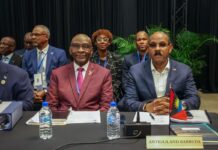
























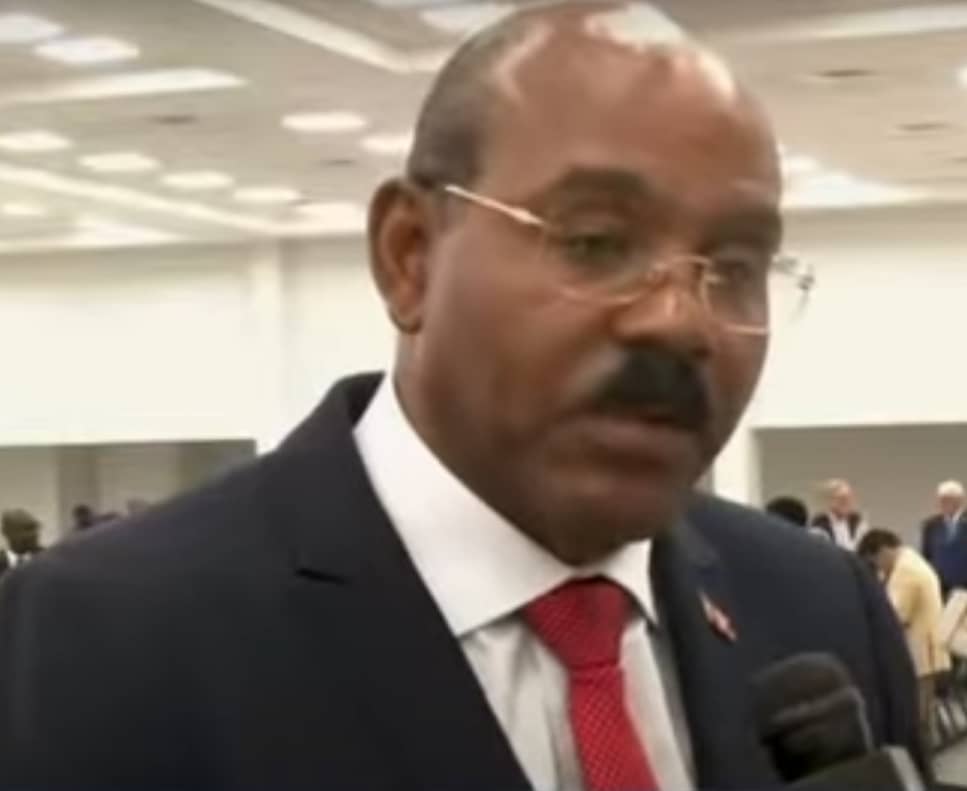
Prime Minister Gaston Browne has defended his administration’s policy of government shareholding in key sectors, arguing it is a deliberate strategy to strengthen national ownership and reduce dependence on foreign capital.
Speaking on Pointe FM, Browne said his government’s approach—coined _“empowerment capitalism”_ —ensures profits are reinvested locally to drive faster development. “We’re not selling our asset. We want to build the national asset base. We want to have pride of ownership,” he said, stressing that both individual and collective ownership were vital to Antigua and Barbuda’s future growth.
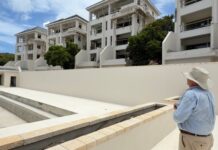
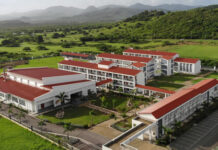
The prime minister highlighted state stakes in banks, including an almost 80% shareholding in Caribbean Union Bank, and in hotels such as Halcyon and Heritage, as examples of the policy in action. He argued that small island states with limited private sector capacity must rely on government participation in order to secure major investments.
Browne warned that over-reliance on foreign capital creates an “extractive model” in which profits flow out of the country, leaving less money for local development. While insisting that foreign investment remains important, he said national ownership was the only way to retain wealth.
He also drew parallels with the United States, pointing to former President Donald Trump’s announcement of government investment in technology giant Intel. Browne said this vindicated Antigua and Barbuda’s approach, which critics in the opposition United Progressive Party (UPP) had previously dismissed as misguided.
Originally described as _“entrepreneurial socialism,”_ the model was rebranded to avoid political stigma. Browne insists it is homegrown and central to his government’s long-term vision.
He claimed the strategy is already bearing fruit, noting that local banks ECAB and ACB generated more than EC$110 million in profits in a single year, funds that remain within the national economy. According to Browne, Antigua and Barbuda’s per capita income has now surpassed EC$60,000, placing the country on a trajectory towards developed status within the next two decades if the policy continues.