

























































The Government of Antigua and Barbuda is standing firm in its position that the sale of the Alfa Nero superyacht was conducted within the bounds of the law, asserting that due process was followed in line with domestic legislation and international norms.
The vessel, which entered Falmouth Harbour under the shadow of U.S. sanctions on its Russian-linked owner, was deemed abandoned after no party stepped forward to claim ownership during a legally prescribed notification period. In response, Parliament amended the Port Authority Act, enabling the government to take possession of derelict vessels considered a hazard or financial burden.
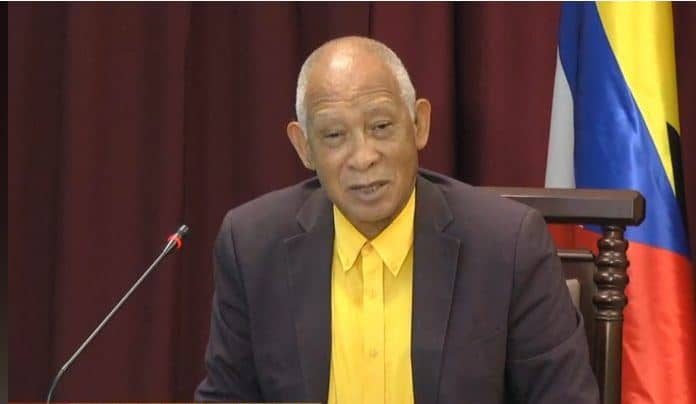
Government spokesperson Lionel Hurst explained that the decision was grounded in both public interest and national security. “It could not remain idle in our waters indefinitely. We had a responsibility to prevent deterioration and to ensure it posed no threat during hurricane season,” he said.
The Alfa Nero’s auction in 2023 attracted global attention, with an initial bid from a prominent U.S. tech executive withdrawn over legal uncertainties. The vessel was ultimately sold for US$40 million, with the funds transferred to the Eastern Caribbean Central Bank. The government stated that proceeds were used to settle outstanding crew wages, fuel costs, and other maintenance obligations.
Critics have continued to question the transparency of the process, particularly after a U.S. federal court subpoena sought financial records linked to the sale. However, in a recent decision, a federal judge halted what the government described as “unjustified and overbroad” demands for documents unrelated to the transaction.
Officials allege that the legal challenge was partly driven by misinformation supplied to an American investigator by local political operatives. Hurst said the government views the matter as an attack on national sovereignty. “We are not a safe haven for illicit assets, but we are also not beholden to foreign political agendas.”
The matter has also stirred broader debate about small states asserting autonomy in an era of geopolitical pressure. The government’s legal team has pointed to rulings by Antigua’s High Court and Court of Appeal that dismissed competing ownership claims. A further challenge by the alleged daughter of the sanctioned owner was also dismissed by the UK Privy Council.
Antigua and Barbuda is now preparing for a new phase of legal defence in the United States, but maintains confidence in its handling of the Alfa Nero case.
“Every step was lawful. Every dollar is accounted for,” Hurst said. “This was a matter of sovereignty, not speculation.”