






























































As the Caribbean Court of Justice (CCJ) marked its 20th anniversary, one of the region’s foremost legal scholars presented a compelling case for why Caribbean nations should move away from the UK’s Judicial Committee of the Privy Council and fully embrace the CCJ as their final court of appeal.
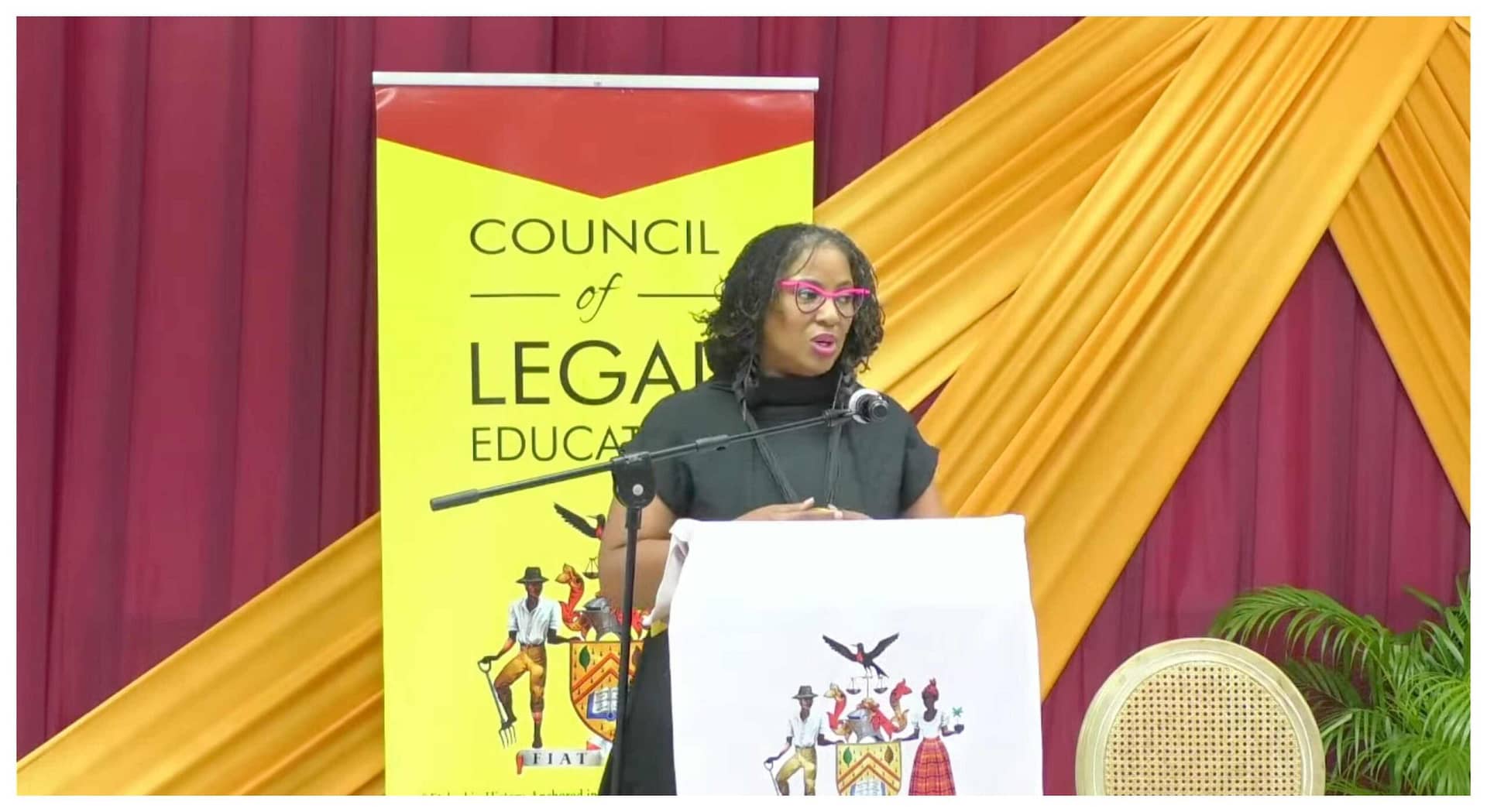
Delivering the Norman Manley Distinguished Lecture by the Norman Manley Law School, Professor Tracy Robinson argued that the region’s continued reliance on the Privy Council weakens Caribbean self-determination and ignores the maturity of its own legal institutions.
She described the belief that regional courts lack the impartiality or credibility of their British counterparts as rooted in colonial-era thinking, stating that it reflects a lingering hesitation to fully trust Caribbean institutions. Her remarks were later reinforced by CCJ President Justice Adrian Saunders, who described the architecture supporting the CCJ’s independence as “second to none” and dismissed repeated claims that it is more vulnerable to political pressure than the Privy Council.
Referencing a recent judicial conference in Malta, Saunders said he felt compelled to respond when a senior Privy Council judge repeated the assertion that the UK body is immune to political interference. Saunders criticised what he described as a persistent and baseless narrative that undermines Caribbean judicial integrity, particularly when similar concerns are never raised about other small jurisdictions such as Malta or New Zealand.
Robinson emphasised that the CCJ is not only a symbol of regional autonomy, but an institution with a growing body of decisions that affirm its role in safeguarding democracy and the rule of law. She pointed to high-profile interventions in electoral and constitutional disputes—such as the 2020 Guyana elections—as examples of how the court has upheld democratic principles under pressure.
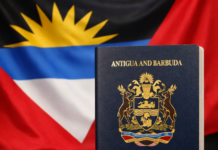
While only five CARICOM member states have adopted the CCJ as their final court of appeal, others have faced setbacks due to failed referenda and constitutional constraints. Saunders noted that efforts in countries like Grenada and Antigua and Barbuda were blocked not by public disapproval, but by unusually high thresholds for constitutional change.
Despite these challenges, both speakers expressed optimism. Robinson described the CCJ as a “formed institution”—no longer a theoretical ideal, but a proven and functioning regional court. Saunders urged Caribbean people to move beyond what Barbadian writer George Lamming once called “the terror of the mind”—the inherited doubt in our own capacities—and to stop repeating what he called a “self-mutilating mantra” that Caribbean courts are less capable.
For the audience of law students, legal professionals, and policymakers, the message was clear: full judicial sovereignty is not only possible, but necessary if the region is to move forward with confidence.