




















































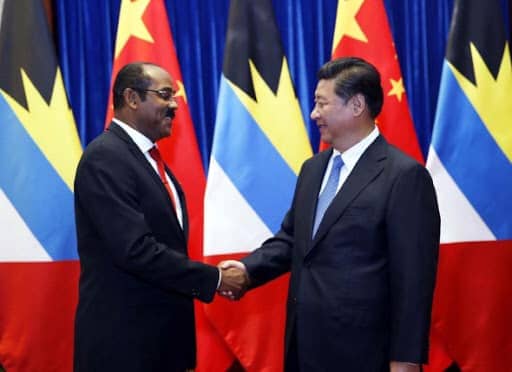
U.S. Secretary of State Marco Rubio has cautioned Eastern Caribbean and Bahamian leaders to be vigilant against security risks posed by foreign adversaries, specifically naming the Chinese Communist Party, during high-level talks held on Monday.
In a meeting with the heads of government from seven Caribbean nations—including Antigua and Barbuda, Grenada, Saint Lucia, and The Bahamas—Rubio underscored the growing threat of drug and firearms trafficking, illegal migration, and external interference, calling for urgent and enhanced regional cooperation.
He pressed leaders to bolster intelligence sharing and border security under the Caribbean Basin Security Initiative and made a pointed appeal for transparency in the awarding of major infrastructure contracts. Rubio urged governments to ensure their decisions do not leave them exposed to “privacy and security risks and exploitation by malign actors like the Chinese Communist Party.”
The warning comes amid heightened global scrutiny of Chinese investments in critical infrastructure projects across developing nations, including ports, telecommunications, and energy.
Rubio also reaffirmed the United States’ commitment to targeting those who facilitate Cuba’s controversial medical missions, labelling them as part of a broader forced labor scheme. He stated that officials involved in such activities, whether Cuban or foreign, would face accountability measures from Washington.
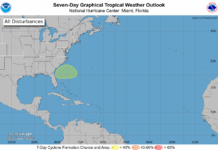
With hurricane season looming, the U.S. announced the reactivation of two assistance programs aimed at improving early warning systems and delivering rapid humanitarian aid across the region.
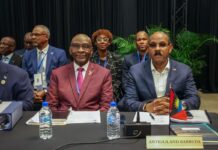
The meeting brought together Prime Ministers Ralph Gonsalves (Saint Vincent and the Grenadines), Roosevelt Skerrit (Dominica), Gaston Browne (Antigua and Barbuda), Philip Davis (The Bahamas), Philip J. Pierre (Saint Lucia), Dickon Mitchell (Grenada), and Terrance Drew (Saint Kitts and Nevis).
The discussions marked a renewed push for U.S.-Caribbean engagement amid geopolitical tensions and growing regional vulnerabilities.