


























































By Latrishka Thomas
It may still be illegal but it is more common than you think. A recent study suggests that nearly three out of every four women in Antigua and Barbuda will have an abortion by the time they reach their mid-40s.
It’s as simple as walking into a pharmacy and purchasing specific pills under the table.
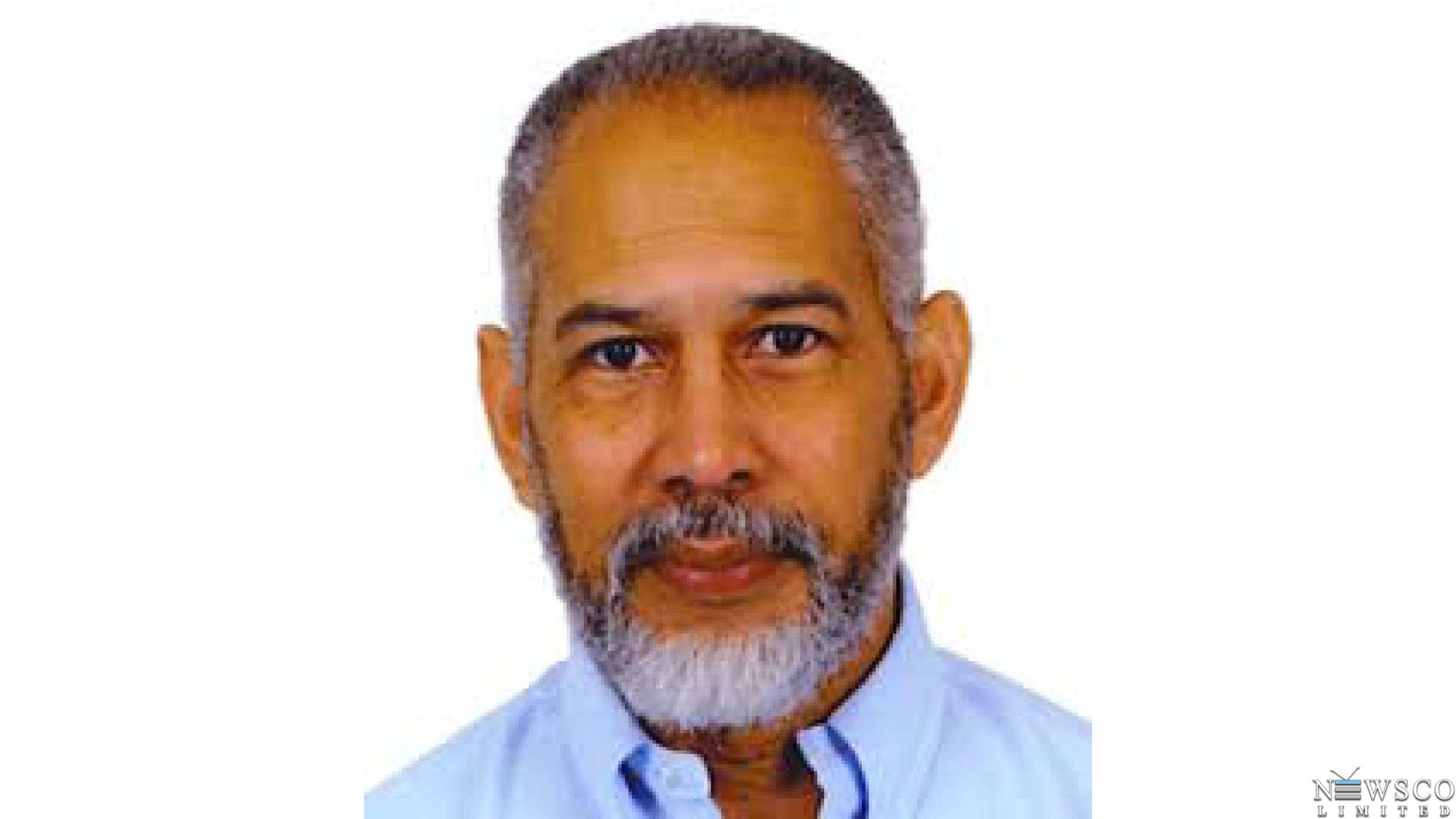
Fred Nunes, a regional advocate originally from Jamaica, has been conducting extensive research across the Caribbean, including the twin island nation, to combat unsafe abortion practices.
Nunes, known for his pivotal role in legalising abortion in Guyana during the 1990s, focusses on advocating for social justice and women’s reproductive health through his charity, Aspire.
Aspire operates in several Caribbean countries, including Antigua and Barbuda, Dominica, St Lucia, Trinidad & Tobago, and Jamaica.
The organisation is currently involved in legal initiatives aimed at overturning Colonial-era laws in Antigua and Barbuda and Dominica that prohibit abortions under all circumstances except when the woman’s life is at risk.
According to Nunes’ latest findings in Antigua, “72 percent of women in Antigua will have an abortion by age 44”.
He therefore emphasised the urgency for women to address “the problem”.
He highlights a significant disparity: “The women who have the power to change the law have no need to change the law because they can walk into a doctor’s office and have a safe abortion. The women who have the need to change the law, the poor, the young are vulnerable and they have no power to change the law.”
Nunes argues strongly against the notion that non-enforcement of existing laws makes them harmless, asserting instead that it renders them perilous.
His message to local policymakers is: “make policies based on information, based on data, based on evidence, not based on some black box of ignorance or some values. If we are to make public policy intelligently, it needs to be based on both facts and values”.
Meanwhile, a separate survey conducted by Aspire revealed alarming rates of sexual violence in Antigua and Barbuda.
More than one in four women reported experiencing sexual violence, including rape, partner abuse, and childhood sexual abuse.
The findings led the medical team involved in the study to describe the situation as “appalling” and characterise it as “gender violence on stilts”.
Aspire’s research also indicates strong support within the medical community for expanding legal grounds for abortion.
A survey of local healthcare professionals showed that 78 percent favoured broader abortion laws to protect not only women’s lives but also their physical and mental health, including cases of severe foetal deformity, rape, incest, and mental health issues.
Despite widespread use of abortion in Antigua and Barbuda, stigma surrounding the procedure persists.
Efforts to amend the 19th-century Offences of the Person Act have sparked contentious debate, particularly among religious leaders opposed to abortion on religious grounds.
The government recently stated that it will defer to the courts on this matter.
Attorney General Sir Steadroy Benjamin has publicly advocated for maintaining existing laws, while religious groups like the Evangelical Alliance staunchly oppose any relaxation of abortion restrictions based on religious doctrine.