






















































Prime Minister Gaston Browne has renewed his call for Caribbean nations to unite in negotiations with cruise lines, warning that the current model of cruise tourism is unsustainable without a regional approach.
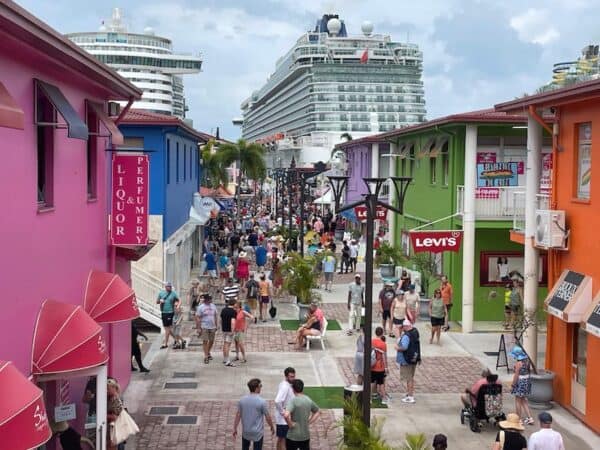
Browne’s remarks followed a World Bank report showing that the Caribbean generates the lowest revenue globally from cruise tourism, despite being the sector’s most popular destination. For Antigua and Barbuda, he said, the imbalance between rising visitor numbers and modest financial returns has long been a concern.
The prime minister recalled Antigua and Barbuda’s past efforts to press for higher passenger head taxes, only to be undercut by rival destinations. When Carnival Cruise Lines responded to Antigua’s demands by diverting ships elsewhere, Browne said other regional governments welcomed the traffic instead of closing ranks.
“Instead of the region collaborating with us, they were mocking us, encouraging Carnival to send ships their way,” he noted, pointing to the longstanding difficulty of securing a collective stance.
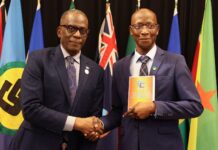
CARICOM leaders previously attempted to negotiate higher fees with Carnival through the bloc’s then-chairman, Amlod Dottin, but repeated appeals for better terms were dismissed. Cruise lines have consistently stressed “volume” over revenue, Browne argued, while governments shouldered the costs of port maintenance, dredging, and land-side development.
Browne described the current revenue structure as “unsustainable,” highlighting that many ports charge as little as US$5–10 per passenger—far below the level needed to offset infrastructure strain. “It requires a recalibration, and Caribbean countries must demand more,” he said.
The Antiguan leader also pointed to his administration’s 30-year lease agreement with Global Port Holding, which has committed nearly US$88 million in investments, as an alternative to heavy state spending that might otherwise have exceeded US$300 million with little guarantee of returns.
Browne has urged CARICOM to revive efforts to set a minimum regional head tax, arguing that a united front would prevent cruise operators from exploiting differences between individual states. “Thirty years ago, CARICOM tried to set a common rate, but two countries broke ranks. This time, we must move together,” he insisted.
For Browne, the issue is not simply about increasing revenue but about ensuring fairness and sustainability in a sector central to the region’s economies. Without collective action, he warned, Caribbean governments will continue to bear the burden of cruise tourism while reaping only modest rewards.