


























































Antigua and Barbuda’s immigration system is failing the people it is meant to serve. The laws are clear, but the execution has been inconsistent, confusing, and unfair.
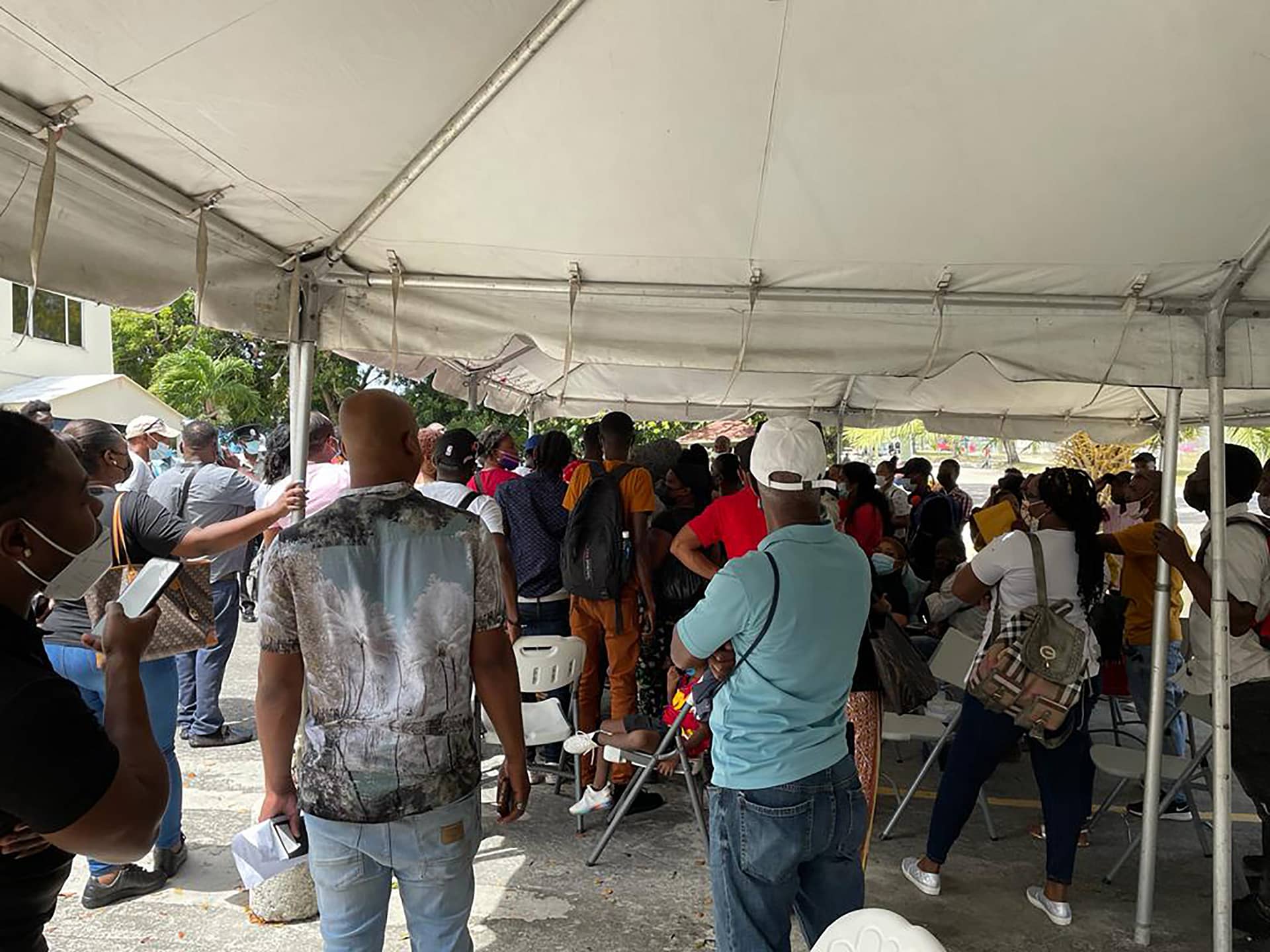
The 2022 Amnesty Program is a recent example, where thousands of applicants were left in limbo because the Immigration Department failed to communicate the process effectively.
The Immigration and Passport Act of 2014 requires applicants for residency to maintain at least four years of legal residence. Citizenship by naturalization requires residence, good character, and continuous legal status. Dual citizenship is allowed, and citizenship by investment is available for those with the means. These rules are not the problem. The problem is how they are being carried out.
During the amnesty, over 3,000 people registered and received acknowledgment cards. Many believed those cards granted them residency or citizenship. They did not. By law, the cards were only proof of registration. The Immigration Department never made this clear, and the Chief Immigration Officer has admitted that the misunderstanding was widespread. Today, some of those same people are once again undocumented, at risk of deportation through no fault of their own.
Applicants also report inconsistent treatment. While officials said amnesty participants would receive three-year extensions, many were stamped for shorter periods. Some who applied for both residency and citizenship received approvals for both and were then forced to pay double fees. The costs of residency and citizenship are already higher than the average monthly salary. For working families, these costs make legal status unaffordable.
The delays are another problem. Backlogs dating back to the COVID-19 pandemic are still unresolved. Applications take years to move forward. People are forced to pay for repeated extensions while waiting, creating more financial pressure and eroding trust in the system.
There is also no requirement for new citizens to demonstrate basic knowledge of Antigua and Barbuda. Many do not know the anthem, speak English, or understand the country’s history. Other countries require language and civics tests for naturalization. Antigua and Barbuda should do the same.
These failures carry real risks. People who followed instructions during the amnesty are now undocumented. Inconsistent stamping undermines public confidence. High fees and duplicate charges restrict citizenship to the wealthy. Long delays weaken the credibility of the entire system.
The fixes are straightforward. The Attorney General and Chief Immigration Officer must issue clear, written guidance explaining every stage of the process. Stamp durations must be standardized, and past inconsistencies corrected. Policy on dual applications must be clarified, and double fees eliminated. Fees should be reduced or adjusted to income levels so ordinary residents can afford to regularize their status. The government must commit resources to clear the backlog and publish regular reports on progress. Finally, a citizenship test should be introduced to ensure new citizens have basic knowledge of the anthem, language, and history.
Antigua and Barbuda’s immigration law is sound. The failure lies in execution. Unless the government fixes the inconsistencies, improves communication, and lowers costs, the public will continue to lose faith in the system. Citizenship should not be a matter of wealth or confusion. It should be a matter of law, fairness, and national pride.