
























































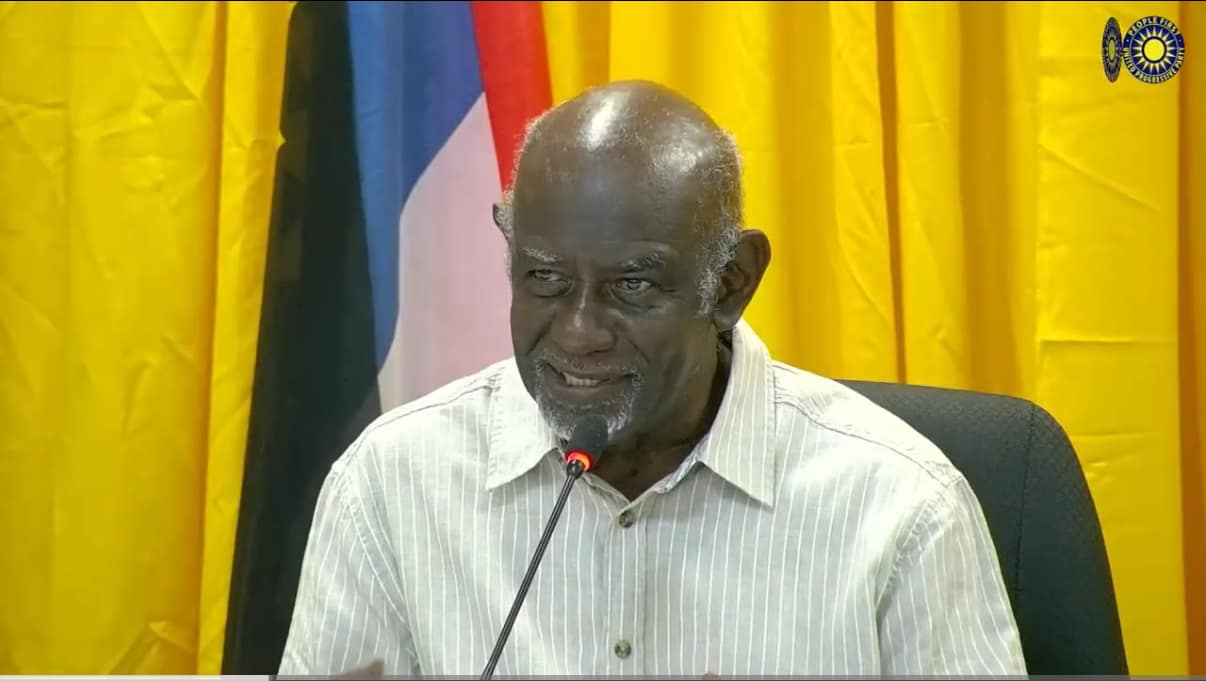
Former Cabinet Secretary Hazel Spencer says the alleged million-dollar government vehicle scandal could have been avoided if Antigua and Barbuda’s system of financial checks and balances had functioned as designed.
Speaking at the _Vehicle Gate_ town hall meeting, Spencer gave a detailed explanation of how capital spending is supposed to proceed — from Cabinet approval to Treasury verification — and warned that failure at any point in that chain signals a breakdown of integrity within the system.
“For $17 million to be spent on vehicles and no alarm raised at the Ministry of Finance or Treasury is mind-boggling,” she said, calling the lapse “scandalous.”
Spencer explained that every capital project must first receive Cabinet approval before being entered into the national estimates. Once Parliament passes the budget, ministries must prepare a general warrant detailing their proposed expenditures. That warrant is then reviewed by the Ministry of Finance, and the Minister of Finance must sign it before any money is released.
“The Treasury should check and ensure that everything is in order before the Treasury disposes of any disbursement or pays any supplier,” Spencer said, underscoring that these safeguards exist precisely to prevent unauthorized spending.
She added that “public servants and ministers of government must be vigilant, must be honest, and must be prepared to do the right thing. If not, everything is going to tumble down.” Spencer warned that when officials bypass rules or pressure civil servants into signing questionable documents, the entire governance framework collapses.
Spencer also reminded the audience that civil servants are protected by law from arbitrary dismissal and therefore have the power — and duty — to resist improper directives. “They can stand up and not be easily intimidated and influenced to do the wrong thing,” she said.
Her remarks formed part of a broader panel discussion examining how oversight failures, political interference, and weak enforcement allowed the alleged vehicle purchases to occur. Spencer’s analysis offered an insider’s perspective on how procedural compliance — if properly observed — could have averted what she and other speakers called a “catastrophic failure of accountability.”